


Buy your CityPass
for Museums and Transport on Venezia Unica
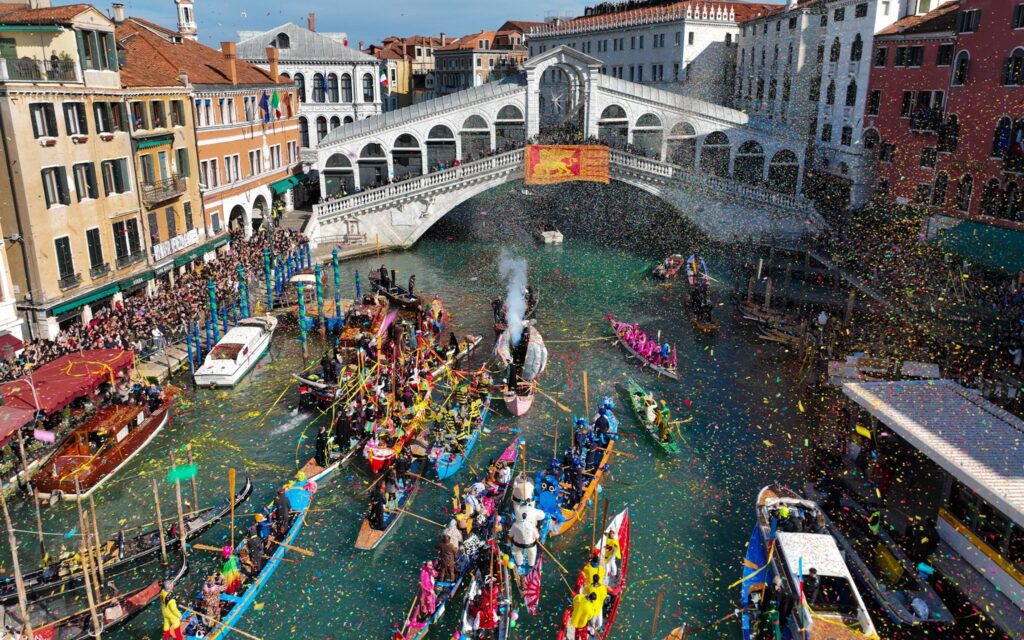
Venice Carnival
Enjoy Respect Venezia
Venice is one of a kind.
Venice is known the world over for its history, art and unique lagoon setting. A UNESCO World Heritage Site, it is best experienced by taking time and moving with care — allowing more of the city to be seen — and understood.
Travel mindfully, experience more
Protecting Venice starts with how we explore it. The City of Venice’s Enjoy Respect Venezia initiative offers simple guidance on local rules and encourages visitors to act responsibly, so every visit is more rewarding, more authentic and kinder to the city.
Choose quieter months and you’ll have more time to savour Venice. Between 3 April and 26 July 2026, on selected days, day visitors to Venice’s historic centre will need to pay an access fee of €5 or €10, depending on when payment is made, unless exempt. Check the official site (cda.ve.it) — there’s a calendar listing the dates when the fee applies
Beyond the beaten path
Venice rewards those who wander. Step away from the most crowded routes and discover hidden museums, quiet churches, historic gardens and secluded palace courtyards. Extend your journey to the lagoon islands—Torcello, Mazzorbo, Sant’Erasmo, Certosa, the Lido and Pellestrina—or explore the mainland, where parks, cycling paths, forts, museums and theatres offer plenty of events and experiences to get to know the wider Venetian territory.
Taste the city
Head to Venice’s markets, bàcari, osterie and restaurants to experience the true taste of Venetian life. Try lagoon schìe (small grey shrimp), violet artichokes from Sant’Erasmo, sarde in saòr (sweet-and-sour sardines), and the fragrant risotto di gò, made with tiny lagoon goby. Finish with traditional biscuits such as baìcoli, zaéti and bussolài, best enjoyed with coffee or hot chocolate.
Living traditions
Step into the city’s artisan workshops, and you’ll find the crafts of the Serenissima very much alive. Meet master glassmakers and lacemakers, impirarésse (bead stringers), remèri — makers of oars and forcole (traditional Venetian rowlocks) — and master shipwrights who still build the lagoon’s wooden boats. They’re the keepers of a precious heritage — generations of craft, tradition and know-how worth preserving.
Find out more — responsibly
For practical travel information and visitor essentials, head to VeneziaUnica, the city’s official website. If you prefer a guided visit, book a licensed guide or an accredited tour leader: they’ll introduce you to the city — its history and everyday life — while respecting the places and the people who live there. You can find qualified professionals in the national register of tour guides.
Practical tips
Getting around Venice
Walking Venice is part of the experience. Keep to the right where possible, and in the narrowest calli let people pass one at a time. Avoid lingering in groups on bridges — they’re thoroughfares, not viewing platforms. The historic centre is entirely pedestrianised; bicycles are prohibited, even when pushed.
Where to take a break
For a breather, head to the city’s parks and green spaces — they have benches, bins, drinking fountains and public toilets. Monuments, church steps, bridges, wells and the city’s quaysides are not picnic spots: don’t sit on the ground or eat and drink there, especially around St Mark’s Square (Piazza San Marco), which is a protected historic site.
Respect the city
If you want to make the most of Venice, explore with care and bear in mind these simple rules. Camping or overnight stays, littering, graffiti, drawing on or attaching padlocks to monuments are all banned. Feeding pigeons, walking around in swimwear or shirtless, and swimming or wading in canals or the St Mark’s Basin are not permitted. If you’re after a proper beach, the Lido and Pellestrina are just a short trip away.
Observing these rules helps preserve the city and keeps visits pleasant for everyone. Failure to comply may result in fines of €25–€500 and, in some cases, immediate removal from the area under Venice’s local regulations.


Discover the latest news
